

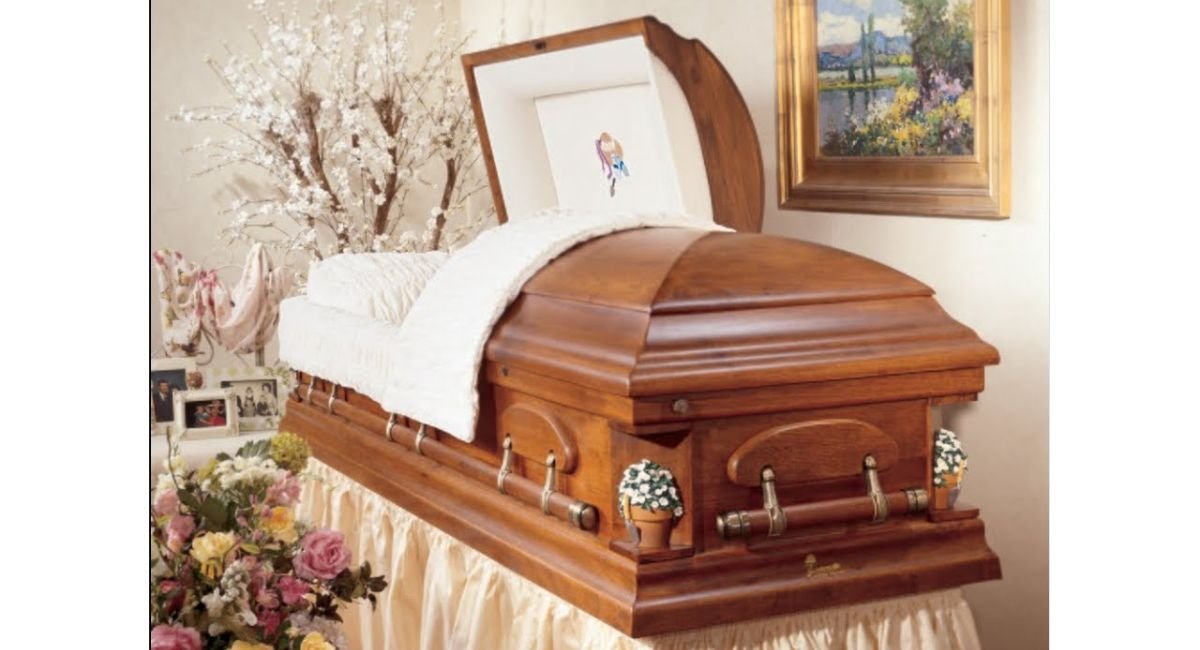
When someone dies, families often face difficult decisions at an already painful time. One of the first questions is whether to hold a funeral, a memorial service, or both. Although these ceremonies can have similar purposes, they are not exactly the same.
One common difference is whether the deceased person’s body is present. A funeral is often held soon after death and may include a viewing, visitation, or burial. A memorial service is often held later, usually without the body present. However, families have flexibility to create a ceremony that reflects their family wishes, beliefs, traditions, and the personality of the person who died.
What Is a Funeral Service?

A funeral service is a ceremony held to honor the deceased and give family and friends an opportunity to pay their respects and say goodbye. In a traditional funeral, the deceased person’s body is usually present and may be placed in a casket.
A funeral can take place at a funeral home, church, cemetery, or another suitable location. It may include visitation, a viewing, prayers, readings, music, and a eulogy. After the service, the family may proceed with burial or cremation. Religious families may include specific religious rituals, while others may choose a secular ceremony.
What Is a Memorial Service?

A memorial service is a gathering held to remember a loved one and honor their life and legacy. Unlike a traditional funeral, the person’s body is usually not present. The family may have already completed cremation or burial before the memorial service.
An urn with ashes may sometimes be displayed during the ceremony. A personalized memorial service can be formal or informal and may include photographs, personal stories, favorite music, readings, a eulogy, or a memory board. Some families choose a celebration of life instead of a traditional ceremony.
Funeral vs. Memorial Service: Key Differences

The main difference between a funeral and memorial service is often whether the deceased person’s body is present. A funeral commonly takes place with the body present, while a memorial service usually takes place after burial or cremation.
The timing, location, religious traditions, and style can also differ. A funeral may follow a more traditional structure, while a memorial service often allows greater flexibility. Neither option is automatically better. The right choice depends on the wishes of the deceased and what feels meaningful to the family.
| Feature | Funeral Service | Memorial Service |
|---|---|---|
| Body present | Usually yes | Usually no |
| Timing | Often soon after death | Often later |
| Casket | May be present | Usually not present |
| Urn | Sometimes present | Often possible |
| Viewing | Common option | Usually not included |
| Visitation | May take place | May be arranged separately |
| Burial | May follow the service | May already have happened |
| Cremation | May happen before or after | Often completed beforehand |
| Style | Often more traditional | Often more flexible |
| Main focus | Farewell and funeral rites | Remembrance and tribute |
Funeral and Memorial Service Traditions
Funeral traditions vary widely across the United States. Religious communities may follow specific customs involving prayers, hymns, scripture, clothing, burial, or other religious rituals. Families may also follow cultural traditions passed down through generations.
Memorial service traditions are often more flexible. A family might display photographs, play favorite songs, share memories, or include funeral poems that have special meaning. For example, a gardener might be remembered with flowers, while a musician might be honored through favorite songs.
These personal details can turn a simple gathering into a deeply meaningful tribute.
What Happens at a Funeral or Memorial Service?
A funeral or memorial service usually begins with a welcome from the person leading the ceremony. This may be a religious leader, funeral celebrant, funeral director, or family member. The ceremony may then include readings, prayers, hymns, music, and a eulogy.
Guests may also have an opportunity to speak or share memories. During a funeral, the body may be present in a casket and may be available for viewing. During a memorial service, guests may instead see photographs, personal belongings, a memory board, or an urn.
The ceremony may end with a final prayer, tribute, or moment of silence before guests gather informally.
How Long After Death Is a Funeral or Memorial Service?
The timing of a funeral depends on the family’s circumstances, religious practices, burial or cremation plans, and the availability of important relatives. A funeral is often held within several days after death, although there is no universal schedule.
A memorial service usually allows more flexible timing. It may take place several weeks or even months after death. This can give relatives time to travel from different states or countries and allow the family more time for memorial service planning.
A later gathering can still provide comfort and an opportunity for remembrance, even when the initial funeral has already taken place.
How Much Does a Funeral or Memorial Service Cost?
The cost of a funeral or memorial service can vary greatly. A funeral may involve expenses for a casket, embalming, viewing, transportation, cemetery services, and other funeral arrangements. The funeral home, location, burial choice, and services selected can all affect the final cost.
A memorial service may be less expensive in some situations, particularly when burial or cremation has already been completed. However, it can still involve venue rental, flowers, catering, printed materials, music, or professional services.
The cost depends on the choices a family makes rather than simply whether the ceremony is called a funeral or memorial service.
For additional information about funeral pricing and consumer rights, see the FTC’s Funeral Rule.
| Expense | Funeral | Memorial Service |
|---|---|---|
| Funeral home services | Often | Sometimes |
| Casket | Usually possible | Usually not needed |
| Embalming | May be needed for viewing | Usually unnecessary |
| Viewing | Possible | Usually not |
| Cremation | Optional | Often completed beforehand |
| Burial | Possible | May already be completed |
| Venue | Common | Common |
| Flowers | Optional | Optional |
| Catering | Optional | Optional |
| Printed materials | Optional | Optional |
| Overall flexibility | Moderate | Usually more flexible |
Can You Have Both a Funeral and a Memorial Service?
Yes. A family can have both a funeral and a memorial service. There is no requirement to choose only one.
Some families hold a funeral soon after death and organize a larger memorial gathering later. This can work well when relatives live far away or cannot travel immediately.
For example, a family might hold a small funeral with close relatives on Friday, followed by burial the next day. Several weeks later, they could host a memorial service for family and friends. The second gathering could focus on stories, photographs, music, and celebrating the person’s life rather than formal funeral rites.
How to Choose Between a Funeral and Memorial Service
Choosing between a funeral and memorial service is deeply personal. Start by considering what the deceased wanted. If they expressed preferences about burial, cremation, religious customs, or the type of ceremony they wanted, those wishes can help guide the decision.
Also consider the timing, location, budget, religious or spiritual beliefs, and the people who need to attend. A funeral may feel appropriate when the family wants an immediate and more traditional service. A memorial service may work better when relatives need more time or when the family wants a flexible gathering centered on memories and personal stories. If you are also considering a celebration of life, see our guide to celebration of life vs. funeral vs. memorial service to compare the options.
The best ceremony is one that feels genuine and respectful.
Memorial Service vs. Funeral: Which One Is Right for You?
There is no single answer to whether a funeral or memorial service is better. Each family has different circumstances, beliefs, traditions, and wishes.
A funeral may provide an opportunity for an immediate farewell, while a memorial service can give family and friends more time to gather and remember the person. Some families choose both.
If you are planning a service, focus first on the wishes of the deceased and the needs of those who are grieving. From there, you can decide on the ceremony, location, timing, and personal touches that best honor their life.
Frequently Asked Questions About Memorial Services and Funerals
Is a memorial service the same as a funeral?
No. A memorial service and a funeral are related but are not necessarily the same. A funeral often takes place with the deceased person’s body present, while a memorial service usually takes place without the body.
What is the main difference between a funeral and a memorial service?
The main difference is usually the presence of the deceased person’s body. A funeral commonly takes place with the body present, while a memorial service is generally held after burial or cremation.
Can a memorial service be held before a funeral?
Yes. Families can arrange ceremonies in different orders depending on their circumstances, religious traditions, and personal preferences. There is no universal rule requiring a memorial service to happen after a funeral.
Can you have a funeral without the body present?
Yes. Funeral practices vary by family, religion, culture, and location. Although traditional funerals often include the body, families may choose different arrangements.
Can a funeral and memorial service be held on the same day?
Yes. A family can arrange both ceremonies on the same day if the schedule, location, and circumstances make sense. Some families may combine elements of both into one gathering.
Is a memorial service cheaper than a funeral?
A memorial service can be less expensive in some circumstances because it usually does not require a casket, embalming, or viewing. However, costs vary depending on the venue, services, catering, flowers, cremation or burial arrangements, and other choices.
How long after death is a memorial service usually held?
A memorial service can take place days, weeks, or months after death. Families often choose a date that works for close relatives and allows enough time for planning and travel.
What do you wear to a memorial service?
Appropriate clothing depends on the family’s wishes, the location, and the style of the service. Conservative, neat clothing is generally a safe choice unless the family has requested a particular dress code.
What happens at a memorial service?
A memorial service may include a welcome, readings, music, photographs, personal stories, prayers, a eulogy, and a moment of silence. The exact format depends on the family’s preferences and traditions.
Is a celebration of life the same as a memorial service?
Not necessarily. A celebration of life is generally a more personalized gathering that focuses on the person’s life, memories, personality, and achievements. A memorial service can also be highly personal, but it may follow a more traditional structure.
Final Thoughts on Memorial Service vs. Funeral
The difference between a memorial service and funeral is important, but it should not make the decision feel overwhelming. A funeral usually happens sooner and often includes the deceased person’s body. A memorial service normally happens later and offers greater flexibility in timing, location, and ceremony style.
Whether you choose a traditional funeral, a memorial service, or both, focus on what feels right for the person you are remembering. Your ceremony does not need to follow a perfect formula.
Through stories, music, photographs, personal touches, and shared memories, you can create a respectful final goodbye that reflects the person’s life and gives your family space to grieve.
Meta Description
Memorial service vs. funeral: Learn the key differences in timing, traditions, costs, and what to expect when choosing a service.

Welcome to Luma Tribute! I’m Memoona, an AI-Powered SEO, and content writer with 4 years of experience. I help websites rank higher, grow traffic and look amazing. My goal is to make SEO and web design simple and effective for everyone. Let’s achieve more together!